Blog / GMC Sierra

The Best Truck for Towing: Why the GMC Sierra Lineup Stands Out in Turlock, CA

GMC Sierra

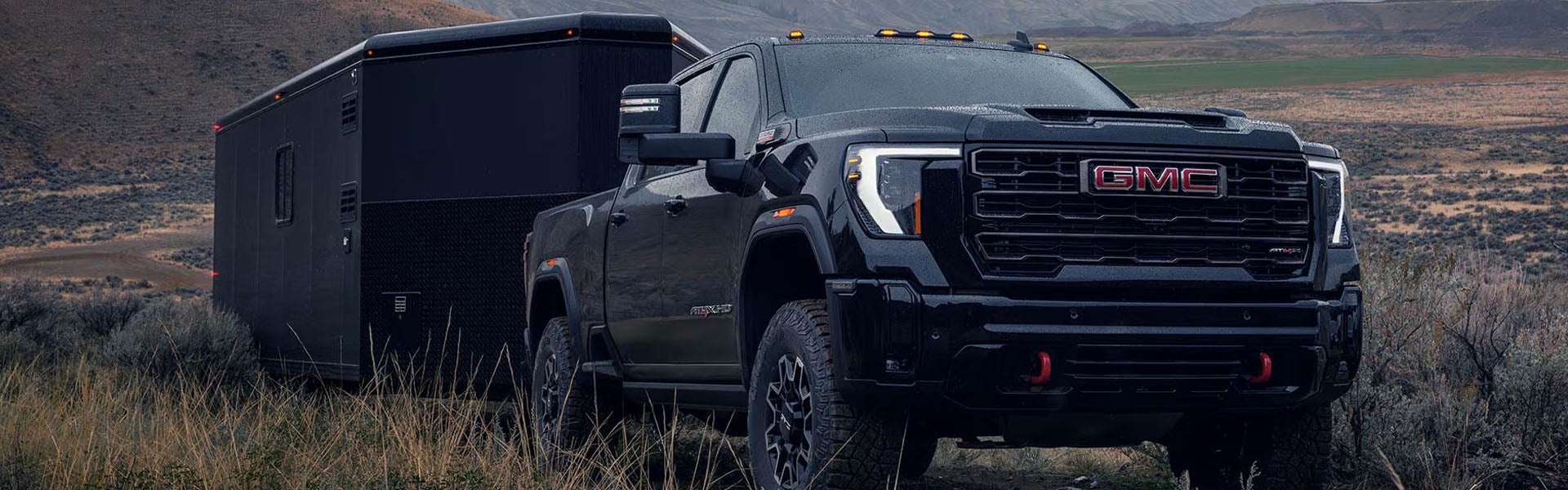
Finding the best truck for towing requires looking well beyond a single headline number on a spec sheet. Plenty of pickups look rugged on the outside, yet struggle with sway, braking confidence, or powertrain strain once a heavy trailer is hitched up. The GMC Sierra lineup delivers a smarter, stronger solution for Central Valley drivers who need a dependable workhorse—whether you are hauling a boat out to Lake Don Pedro or San Luis Reservoir, pulling a horse trailer through Stanislaus County, or transporting heavy equipment along Highway 99.

At Bonander GMC in Turlock, CA, we help drivers match their exact trailering demands to the right truck, offering a full lineup of light-duty, heavy-duty, and all-electric Sierra models built to tow with confidence.


Why Towing Capacity and Stability Matter When Choosing a Truck

When shopping for a capable tow vehicle, maximum tow ratings are an important starting point, but control and stability under load are what truly matter behind the wheel. A great towing truck should accelerate smoothly onto the highway, maintain composure in crosswinds, and inspire braking confidence when descending steep grades into the Sierra foothills.

GMC engineers the entire Sierra lineup with purpose-built frames, tuned suspensions, and intelligent trailering technology across every trim level. Whether you are navigating busy commuter corridors between Turlock, Modesto, and Merced or backing a camper into a tight spot on a winding back road, the Sierra delivers predictable, responsive performance.


GMC Sierra 1500: A Capable Light-Duty Option

For drivers who want a truck that balances daily drivability with serious weekend hauling muscle, the 2026 GMC Sierra 1500 is an ideal light-duty choice. It easily handles mid-size travel trailers, fishing and wake boats, utility trailers, and side-by-sides without feeling oversized in town.

  • Versatile Engine Lineup: The Sierra 1500 offers multiple proven powertrains—including the high-torque TurboMaxâ„¢ engine, the classic 5.3L V8, and the fuel-efficient Duramax® Turbo-Diesel—allowing you to tailor low-end pulling power and highway efficiency to your routine.

  • Trims Built for Every Lifestyle: Choose from well-equipped trims like the SLE and SLT, step into the trail-ready AT4 with factory off-road suspension, or upgrade to the Denali for signature chrome styling and upscale cabin materials without sacrificing utility.

  • Connected Cabin Tech: Standard wireless Apple CarPlay® and Android Autoâ„¢ integration, available large-format digital displays, and intuitive trailering apps keep navigation, trailer checklists, and entertainment easily within reach.


GMC Sierra HD: Built for Heavy-Duty Hauling

When your towing needs exceed light-duty limits, the 2026 GMC Sierra HD steps up to the challenge. Available in 2500HD and 3500HD configurations—including single- and dual-rear-wheel setups—the Sierra HD is engineered from the ground up to manage massive loads with ease.

  • Commercial and Fifth-Wheel Readiness: Built with heavy-duty gas and Duramax® Turbo-Diesel V8 powertrains, high-strength frames, and integrated fifth-wheel/gooseneck prep options, the Sierra HD confidently pulls large fifth-wheel RVs, multi-horse trailers, livestock rigs, and heavy commercial machinery.

  • Heavy-Duty Muscle Meets First-Class Comfort: Unlike basic work trucks that force you to trade comfort for capability, the Sierra HD offers the same sought-after trims as the light-duty lineup—including AT4 and Denali—giving you supportive seating, quiet cabin acoustics, and advanced driver-assistance tech on long hauls.


GMC Sierra EV: A New Way to Think About Towing

The 2026 GMC Sierra EV brings all-electric innovation directly into the towing conversation. Built on GM’s advanced EV truck architecture, it proves that zero-tailpipe-emission driving does not mean compromising on real truck capability:

  • Impressive Electric Towing Power: Delivering an impressive maximum towing capacity of up to 12,500 pounds, the Sierra EV handles boats, campers, and equipment trailers with smooth, instant electric torque and standard e4WD traction.

  • Long-Haul Battery Range: With up to 478 miles of electric range on a full charge in Max Range configurations, the Sierra EV helps take range anxiety out of longer trips across California.

  • Next-Generation Cockpit: Inside, a massive 16.8-inch diagonal infotainment touchscreen puts route planning, trailering profiles, and vehicle controls front and center, while trims like the Denali Max Range pair flagship luxury with modern electric performance.


Trim Levels and Trailering Features That Simplify Every Haul

Raw horsepower is only half the equation—GMC equips the Sierra lineup with smart hardware and camera technology designed to make hitching, maneuvering, and monitoring your trailer far less stressful:

  • Hitch Guidance with Hitch View: Uses the rear vision camera and dynamic guidelines to help you line up your hitch ball with the trailer coupler accurately on the first try, even when hooking up solo.

  • ProGrade® Trailering System & Multi-View Cameras: Available camera views—including bed views and trailer-angle perspectives—help you keep an eye on your cargo and blind spots when changing lanes or backing into tight spaces.

  • Trim-Specific Advantage: Denali trims surround you with authentic wood accents, leather seating, and sound-deadening refinement for fatigue-free highway cruising, while AT4 models add lifted suspensions, skid plates, and all-terrain tires to reach unpaved campsites and remote boat ramps.


Comparing the 2026 GMC Sierra Lineup at a Glance

ModelTruck ClassPowertrain OptionsIdeal Towing Use Cases
GMC Sierra 1500Light-Duty Full-SizeTurboMax™, 5.3L V8, 6.2L V8, or Duramax® Turbo-DieselBoats, mid-size travel trailers, utility trailers, and daily commuting
GMC Sierra 2500HD / 3500HDHeavy-DutyHeavy-Duty Gas V8 or Duramax® 6.6L Turbo-Diesel V8Large fifth-wheel RVs, horse and livestock trailers, heavy commercial equipment
GMC Sierra EVAll-Electric Full-SizeDual-Motor e4WD Electric PropulsionTravel trailers, watercraft, and work trailers up to 12,500 lbs with instant torque

Find the Right GMC Sierra for Your Towing Needs at Bonander GMC

Selecting the ideal truck comes down to what you tow, where you drive, and how you use your pickup every day. The Sierra 1500 handles everyday hauling with ease, the Sierra HD conquers the heaviest commercial and fifth-wheel jobs, and the Sierra EV delivers groundbreaking electric power and range.

Our knowledgeable truck specialists at Bonander GMC proudly serve drivers across Turlock, Modesto, Merced, Hilmar, Patterson, and Los Banos. Browse our current Sierra inventory online at https://www.bonandergmc.com/ or visit our showroom at 231 S. Center St. in Turlock, CA to compare configurations and take a test drive today.

Posted in:

Related Posts

Everything You Need to Know About Oil Changes for Your GMC

Everything You Need to Know About Oil Changes for Your GMC

Maintaining your GMC truck or SUV ensures peak performance and longevity. Regular oil changes remain the most critical service for engine health. Drivers navigating the Central Valley in a Sierra 1500 or hauling gear in a Canyon should understand proper oil maintenance. Visit Bonander GMC in Turlock, CA, to learn more about protecting your vehicle and to schedule your next oil change. Why Oil Changes Are Necessary Engines contain hundreds of moving metal parts that require proper lubrication. Unlubricated parts grind, generate excessive heat, and wear out rapidly. Fresh oil keeps these components operating smoothly. Over time, oil degrades and loses effectiveness. Skipping oil changes causes sludge buildup, friction, overheating, and severe engine damage. Routine maintenance provides an affordable way to prevent expensive future repairs. What Oil Actually Does in Your Engine Engine oil provides essential functions beyond lubrication. It minimizes friction, dissipates heat from critical components, and prevents corrosion. Oil also suspends dirt and combustion byproducts for capture by the oil filter. Fresh fluid maintains a clean, efficient engine. Aging oil loses these protective properties, making regular changes strictly necessary. How Often Should You Change Your Oil Service intervals depend on the vehicle, driving habits, and oil type. Modern GMC vehicles feature the Oil Life Monitoring System to alert drivers when service is due. Generally, conventional oil requires changing every 3,000 to 5,000 miles. Full synthetic oil often lasts 7,500 to 10,000 miles. Always consult the owner manual for specific manufacturer recommendations. What to Do If Your Oil Light Comes On Never ignore an illuminated oil warning light. Safely pull over immediately and check the fluid level with the dipstick. Adding oil addresses a low level temporarily, but professional inspection must follow to rule out leaks. If the oil pressure warning light activates, stop driving safely and arrange a tow to a service center. Types of Engine Oil Selecting the correct motor oil ensures optimal performance. Conventional oil suits older vehicles driven under normal conditions. Full synthetic oil delivers maximum protection, handles temperature extremes, and lasts longer, making it ideal for modern GMC trucks and SUVs. Synthetic blends combine these two for enhanced protection at a moderate value. High-mileage oil benefits vehicles exceeding 75,000 miles by reducing burn-off and protecting seals. Always use the recommended viscosity grade, such as 5W-30 or 0W-20. Get Your Oil Change Done Right in Turlock, CA Trust the certified technicians at Bonander GMC in Turlock, CA, for your next service. Our team uses the correct products and provides exceptional care for every GMC model. Prevent minor maintenance needs from escalating into major issues. Contact our service center directly to book an appointment and keep your vehicle running efficiently.

Brakes FAQ: What You Need to Know About Components and Warning Signs 

Brakes FAQ: What You Need to Know About Components and Warning Signs

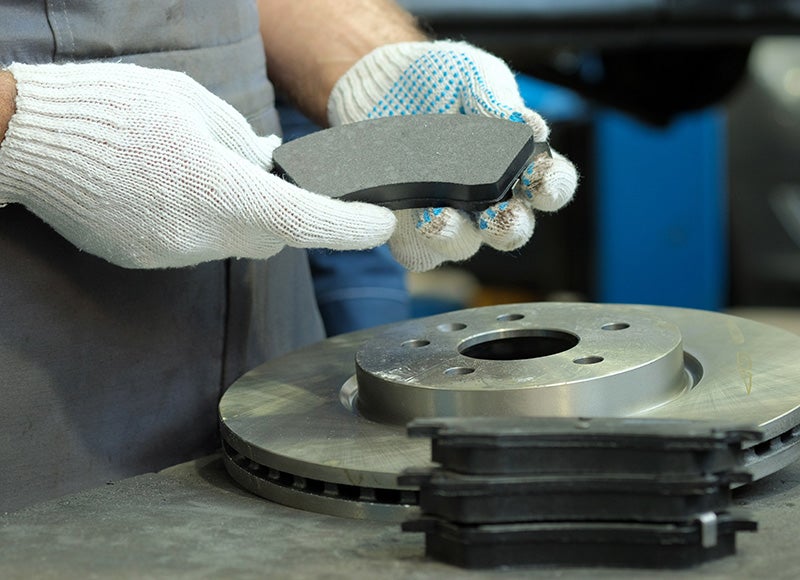
Your brakes are perhaps the most important safety system on your vehicle, but they aren't just one thing. They're made up of several parts working together to safely stop your car. Understanding those parts can help you stay ahead of potential problems. The primary components include the brake pads, brake rotors, brake calipers, brake lines, and the master cylinder. Each one plays a specific role in slowing or stopping your vehicle safely. For drivers in Turlock, California, keeping these parts in good working condition is essential - especially if you're regularly towing, hauling, or putting extra miles on your GMC. What Do Brake Pads Do? Brake pads are the friction material that presses against the rotor to slow your wheels. They're designed to wear down gradually over time, which is completely normal. Most pads include a small metal wear indicator that creates a squealing sound when they've worn thin and need to be replaced. How long they last depends on your driving habits, vehicle weight, and the type of roads you travel. What Is the Role of the Brake Rotor? The brake rotor is the large metal disc attached to the wheel hub. When you press the brake pedal, the calipers squeeze the brake pads against the rotor to create friction and slow the vehicle. Rotors can warp or wear unevenly over time, especially if they're exposed to excessive heat or are not serviced regularly. A warped rotor often causes a pulsing or vibrating sensation through the brake pedal. What Does the Brake Caliper Do? The brake caliper is the hydraulic clamp that holds the brake pads and presses them against the rotor. Calipers are powered by brake fluid pressure and are critical to how effectively your brakes perform. A sticking or seized caliper can cause uneven braking or cause your vehicle to pull to one side when you apply the brakes. How Do Brake Lines and the Master Cylinder Work Together? Brake lines carry hydraulic brake fluid from the master cylinder to each wheel's caliper. The master cylinder converts the pressure from your foot on the brake pedal into hydraulic pressure that travels through those lines. If a brake line develops a leak or the master cylinder fails, you may notice a soft or spongy pedal feel - which is a serious concern that requires immediate attention. What Are the Most Common Signs of Failing Brakes? Knowing what to listen and feel for can help you catch brake problems early. Common warning signs include a high-pitched squealing or grinding noise when braking, a vibrating or pulsing brake pedal, a vehicle that pulls to one side when slowing down, or a brake pedal that feels soft or sinks to the floor. A brake warning light on your dashboard is also a signal that something needs to be inspected. How Often Should Brakes Be Inspected? Most technicians recommend having your brakes inspected at least once a year or every 12,000 miles - whichever comes first. However, if you notice any of the signs mentioned in this FAQ, don't wait for your next scheduled visit. Addressing brake issues early helps prevent more costly repairs down the road. Visit Bonander GMC to Service Your Brakes in Turlock, CA If you have questions about your brakes or suspect something isn't quite right, the certified service team at Bonander GMC is here to help. So, if it's a routine inspection or a more involved repair, you can count on professional-grade service to keep your vehicle stopping safely. Schedule your service appointment today.