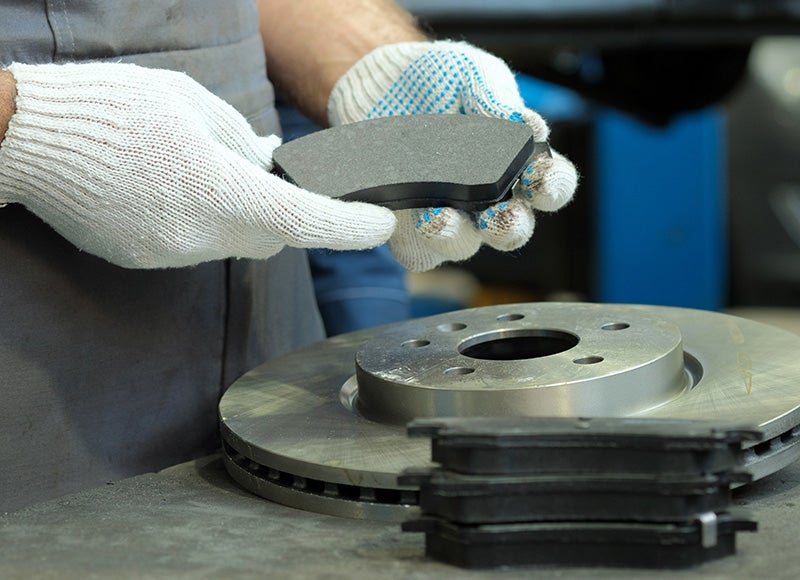



Your brakes are perhaps the most important safety system on your vehicle, but they aren't just one thing. They're made up of several parts working together to safely stop your car. Understanding those parts can help you stay ahead of potential problems. The primary components include the brake pads, brake rotors, brake calipers, brake lines, and the master cylinder. Each one plays a specific role in slowing or stopping your vehicle safely. For drivers in Turlock, California, keeping these parts in good working condition is essential - especially if you're regularly towing, hauling, or putting extra miles on your GMC. What Do Brake Pads Do? Brake pads are the friction material that presses against the rotor to slow your wheels. They're designed to wear down gradually over time, which is completely normal. Most pads include a small metal wear indicator that creates a squealing sound when they've worn thin and need to be replaced. How long they last depends on your driving habits, vehicle weight, and the type of roads you travel. What Is the Role of the Brake Rotor? The brake rotor is the large metal disc attached to the wheel hub. When you press the brake pedal, the calipers squeeze the brake pads against the rotor to create friction and slow the vehicle. Rotors can warp or wear unevenly over time, especially if they're exposed to excessive heat or are not serviced regularly. A warped rotor often causes a pulsing or vibrating sensation through the brake pedal. What Does the Brake Caliper Do? The brake caliper is the hydraulic clamp that holds the brake pads and presses them against the rotor. Calipers are powered by brake fluid pressure and are critical to how effectively your brakes perform. A sticking or seized caliper can cause uneven braking or cause your vehicle to pull to one side when you apply the brakes. How Do Brake Lines and the Master Cylinder Work Together? Brake lines carry hydraulic brake fluid from the master cylinder to each wheel's caliper. The master cylinder converts the pressure from your foot on the brake pedal into hydraulic pressure that travels through those lines. If a brake line develops a leak or the master cylinder fails, you may notice a soft or spongy pedal feel - which is a serious concern that requires immediate attention. What Are the Most Common Signs of Failing Brakes? Knowing what to listen and feel for can help you catch brake problems early. Common warning signs include a high-pitched squealing or grinding noise when braking, a vibrating or pulsing brake pedal, a vehicle that pulls to one side when slowing down, or a brake pedal that feels soft or sinks to the floor. A brake warning light on your dashboard is also a signal that something needs to be inspected. How Often Should Brakes Be Inspected? Most technicians recommend having your brakes inspected at least once a year or every 12,000 miles - whichever comes first. However, if you notice any of the signs mentioned in this FAQ, don't wait for your next scheduled visit. Addressing brake issues early helps prevent more costly repairs down the road. Visit Bonander GMC to Service Your Brakes in Turlock, CA If you have questions about your brakes or suspect something isn't quite right, the certified service team at Bonander GMC is here to help. So, if it's a routine inspection or a more involved repair, you can count on professional-grade service to keep your vehicle stopping safely. Schedule your service appointment today.